.png)
Top Remote Work-Friendly Communities with Fast Internet, Co-Working, and Strong Local Support
- 4 days ago
- 5 min read
Remote work is a lot easier when your neighborhood helps you do it well. Fast internet matters, sure, but so do quiet work spots, good coffee, walkable errands, friendly neighbors, and enough local energy to keep you from feeling boxed in at home.
The best remote work communities tend to share a few traits. They make daily life simpler. They offer places to focus when home gets noisy. They make it easy to meet people without forcing awkward networking. And they give you something worth logging off for.

What makes a community remote work friendly
A laptop and a Wi-Fi signal can technically turn anywhere into a workplace. But a place that truly works for remote life usually has a stronger mix of practical support and everyday comfort.
Look for these basics first:
Reliable high-speed internet
Fiber, cable, or strong 5G coverage can make video calls, uploads, and cloud tools feel normal instead of stressful.
Co-working and third places
Good co-working spaces help with focus and separation. Cafes, libraries, community centers, and hotel lobbies can also fill the gap.
Low-friction networking
Meetups, maker spaces, startup groups, industry events, and casual neighborhood gatherings make it easier to build a local circle.
Local amenities that save time
Grocery stores, fitness options, medical care, childcare, parks, restaurants, and transit all matter more when home is also work.
A culture that respects flexible schedules
Remote workers often run on different rhythms. Communities with daytime activity, evening recreation, and weekend events tend to fit better.
Communities known for strong remote work culture
No single town is perfect for everyone. Some people want mountain access. Others want a lower cost of living, airport access, or a busy food scene. These communities stand out because they’ve built a reputation for supporting remote workers in real, practical ways.
Chattanooga, Tennessee
Chattanooga is one of the clearest examples of a city that understood the value of internet access early. It’s widely known for citywide gig-speed fiber service, which has helped attract entrepreneurs, freelancers, and remote employees.
Beyond internet speed, Chattanooga offers outdoor access, a walkable downtown, and a growing startup and co-working scene. It’s a good fit for someone who wants a smaller-city lifestyle without feeling disconnected.
Tulsa, Oklahoma
Tulsa has become a familiar name in remote work conversations because of Tulsa Remote, a program created to attract remote workers to the city. The program helped put Tulsa on the map, but the appeal goes beyond relocation incentives.
The city offers co-working options, arts districts, local restaurants, and a lower cost of living than many large coastal metros. It also has a strong community-building angle, which matters when someone moves without a built-in network.

Bentonville and Fayetteville, Arkansas
Northwest Arkansas has gained attention for its mix of affordability, outdoor life, and civic investment. Bentonville and Fayetteville both offer access to trails, coffee shops, co-working spaces, and a healthy mix of local businesses.
This area works especially well for remote workers who want more space, easy weekend recreation, and a community that still feels close-knit.
Asheville, North Carolina
Asheville has long attracted creatives, independent workers, and people who want mountain access with a strong local identity. It has cafes, co-working options, wellness services, local food, and a steady flow of community events.
It’s especially appealing for remote workers who value work-life balance and don’t want their free time to revolve around commuting or errands.
Boise, Idaho
Boise offers a strong quality-of-life pitch. People are drawn by access to trails, parks, nearby mountains, and a downtown that still feels manageable. The remote work appeal comes from the mix of modern amenities and everyday ease.
It’s not the hidden bargain it once was, but it still appeals to people who want a city with outdoor access and a practical pace.
Burlington, Vermont
Burlington has a smaller footprint, but it punches above its weight for remote-friendly living. It offers lake access, local food, university-town energy, and community-minded neighborhoods.
For remote workers who prefer a smaller city with seasonal character and strong local services, Burlington is worth a look.
Why these places make remote work feel better
Fast internet solves the technical side. The bigger benefit is how these communities support the rest of life.
A remote worker in the right place can take a walk between calls, meet a friend for lunch, work from a local co-working hub twice a week, and still handle errands without losing half the day. That creates a healthier rhythm.
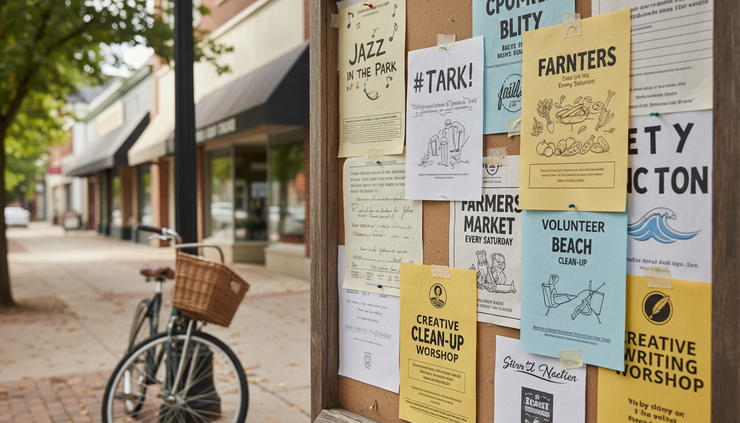
The social side matters too. Remote work can get lonely when every conversation happens through a screen. Communities with events, classes, clubs, volunteer groups, and casual gathering places help replace the social layer that used to come from an office.
Good local support also makes career growth easier. A designer might meet a founder at a community event. A software developer might join a local tech meetup. A consultant might find clients through a small business group. These connections don’t have to feel forced when the community already encourages them.
How to choose the right remote work community
Before falling in love with a place on a weekend visit, test it like you’d live there.
Check internet providers by address, not just city. A town may have great connectivity overall, while one street or building has limited options.
Spend time in the places you’d actually use. Try the library, a cafe, a co-working space, the grocery store, and the neighborhood park. If you can, work there for a few days instead of only touring after hours.
Pay attention to daily friction:
Can you get to everyday errands quickly?
Are there quiet places to work outside the house?
Does the area feel comfortable during the hours you’ll be out?
Are there groups or events you’d realistically attend?
Is there enough housing that fits your budget and lifestyle?
Also think about airport access if you travel for work. A beautiful town can become less practical if every work trip starts with a long drive before the flight.
If you’re comparing several areas and want help narrowing the search, connect with Smith Realty Solutions to talk through communities that fit your remote work lifestyle.
FAQ
What is the most important feature in a remote work-friendly community?
Reliable high-speed internet is the first filter. After that, look for co-working access, daily amenities, outdoor space, and ways to meet people locally.
Are smaller cities good for remote workers?
Yes, many smaller cities are a great fit. They often offer shorter commutes, easier access to nature, and stronger neighborhood connections. Just check internet quality and airport access before making a move.
Do I need a co-working space if I work from home?
Not always, but it helps. A co-working space gives you a change of scene, a backup during outages, and a way to meet other professionals without turning every coffee shop into your office.
Which communities are known for remote work culture?
Chattanooga, Tulsa, Northwest Arkansas, Asheville, Boise, and Burlington are all commonly discussed for remote-friendly living. Each offers a different mix of internet access, amenities, affordability, and community support.

The right place makes remote work feel less remote
A great remote work community gives you more than a strong signal. It gives you places to focus, people to meet, errands that don’t eat your day, and a life that feels good after the laptop closes.
Start with internet and workspace. Then look closely at the local rhythm. The best choice is the place where work feels supported, and the rest of your life has room to grow.